The Quiet Art of the Freezer: Making Seasonal Meat Go Further Without Losing Its Character
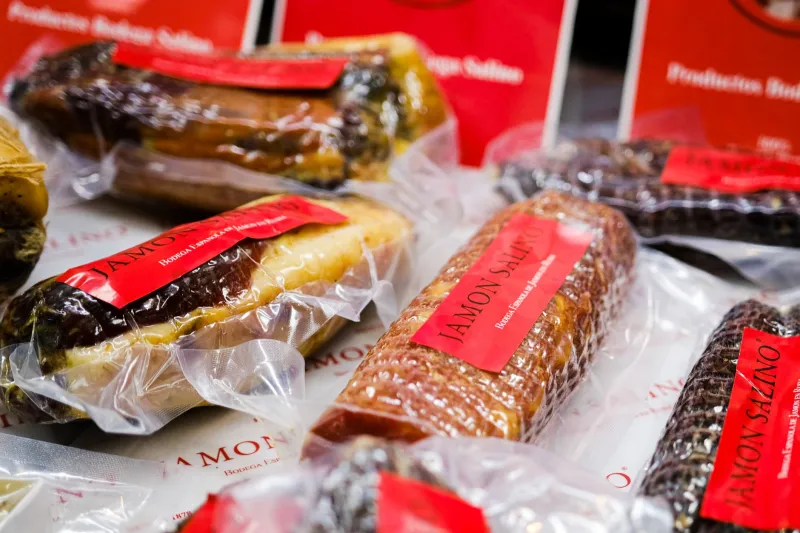
Buying a larger cut or a bulk pack from a local butcher is one of the quiet economies of a well-run kitchen. It allows you to take advantage of seasonal meat when it is at its best, to spread the cost across several meals, and to avoid the small, expensive purchases that fill a fridge without feeding anyone properly. The freezer makes that possible, but only if it is used with a little discipline. Meat that is crammed into a bag and forgotten will not improve with time. Meat that is portioned, wrapped and labelled with care will come out much as it went in.
Why buy once and cook twice
A bulk pack is not simply a bargain. It is a way of buying better meat and using it sensibly. A whole shoulder of pork, a larger piece of beef for slow cooking, a box of seasonal game or a mixed pack of sausages can be divided into meal-sized portions at home. The butcher has already done the hard work of sourcing and preparing the meat; the cook's task is to make sure it reaches the pan in good condition.
The principle is simple: buy once, cook twice, and let the freezer carry the difference. This is not about hoarding. It is about making a sensible purchase when the meat is right and using it over the weeks ahead.
Start with the right pack
Before you buy, think about how many people you normally cook for and what you actually eat. A large pack is only good value if the portions suit your household. Ask the butcher to cut or prepare the meat in a way that helps: steaks separated, a shoulder boned and rolled, chicken or game birds left whole, sausages linked in practical numbers. If you know you will freeze half, say so. A butcher can often pack it accordingly.
It is also worth asking how the meat has been stored. Fresh meat should be cold, clean and well handled. If you are buying a large quantity, take a cool bag with you, especially in milder weather. The journey home is part of the chain.
Portion with the final meal in mind
Divide the meat before freezing. A large lump takes longer to freeze and longer to thaw, and it commits you to cooking more than you may need. Portion into quantities that match actual meals: two chops, a single roasting joint, a pack of stewing pieces, a bird for a Sunday. If you are freezing mince or diced meat, press it flat in the bag so that it freezes quickly and stacks neatly.
For cuts that will be roasted, consider whether you want them frozen whole or prepared. A rolled shoulder takes less space than a whole one; a boned joint thaws more evenly. For game birds, leave them whole if you plan to roast them, but make sure they are well wrapped and labelled. Small items can be lost at the bottom of a freezer, so group them together in a larger bag or tray.
Wrap it properly
The aim is to exclude air. Air is what causes freezer burn, and freezer burn is what turns good meat dry and dull. Use freezer-grade bags, heavy-duty foil, or a double layer of cling film and then a bag. Ordinary supermarket carrier bags are not suitable. If you are using a vacuum sealer, follow the manufacturer's instructions and leave enough slack for the meat to seal properly.
Double wrapping is not excessive. A layer of greaseproof paper or cling film followed by a freezer bag gives good protection. For joints, press the wrapping close to the meat and squeeze out as much air as possible before sealing. If you are freezing several portions in one bag, separate them with a sheet of greaseproof paper so they can be taken out individually.
Label like you mean it
A label should tell you three things: what the meat is, how much it weighs, and when it was frozen. Add the intended use if it helps: stewing beef, roast shoulder, game bird for two. Use a freezer-proof pen or a printed label, and put it on the outside of the bag where you can see it. A date is not a guarantee of quality, but it prevents the slow accumulation of anonymous packages that nobody wants to defrost.
A simple system works best. Keep a pen and labels near the freezer, and write on the bag before it goes in. If you use containers, label the lid and the side. The few seconds it takes will save far more time later.
Freeze quickly and keep it cold
Set the freezer to the correct temperature and do not overload it. A freezer that is packed too tightly cannot circulate cold air efficiently. If you are freezing a large amount at once, spread the packages out until they are firm, then stack them. Cool cooked meat thoroughly before freezing, and never put warm food into the freezer.
As a practical guide, use fresh meat within the recommended storage time for your freezer and aim to use it within three to six months for best quality, though whole joints and birds may keep longer. Mince and small pieces are best used sooner. The freezer stops time, but it does not improve the meat.
Thawing: slow and steady
The safest place to thaw meat is in the fridge. Put it on a plate or in a tray to catch any drips, and allow roughly 24 hours for every 2kg, though smaller portions will thaw sooner. A large joint may need two days. Do not thaw meat on a radiator, in a warm car, or on the kitchen worktop overnight. If you are short of time, use the defrost setting on a microwave and cook the meat immediately afterwards.
Once thawed, use the meat promptly. Do not refreeze raw meat that has been thawed unless you have cooked it first. If you have thawed more than you need, cook the rest and freeze the cooked dish instead.
What freezer burn really tells you
Freezer burn appears as dry, greyish patches on the surface of the meat. It is caused by air reaching the surface and drawing out moisture. It is not necessarily unsafe, but it is unpleasant, and it is a sign that the wrapping has not done its job. Trim small patches away before cooking; if the meat looks dry throughout, it is better used in a strongly flavoured stew or sauce than roasted plain.
The remedy is prevention: wrap well, exclude air, label clearly and rotate the stock. A well-kept freezer is not a museum. It is a working part of the kitchen, and it should be emptied and checked from time to time.
A short checklist
- Buy meat that is in good condition and chilled properly.
- Take a cool bag for the journey home.
- Divide into meal-sized portions before freezing.
- Press mince and diced meat flat to freeze quickly.
- Double wrap and exclude as much air as possible.
- Label with the cut, weight and date.
- Freeze quickly and avoid overloading the freezer.
- Thaw in the fridge, on a plate, and use promptly.
- Rotate the stock and use older packages first.
Used in this way, the freezer is not a place where good meat goes to be forgotten. It is a sensible extension of the butcher's counter, and a practical way to make seasonal meat go further without losing its character.